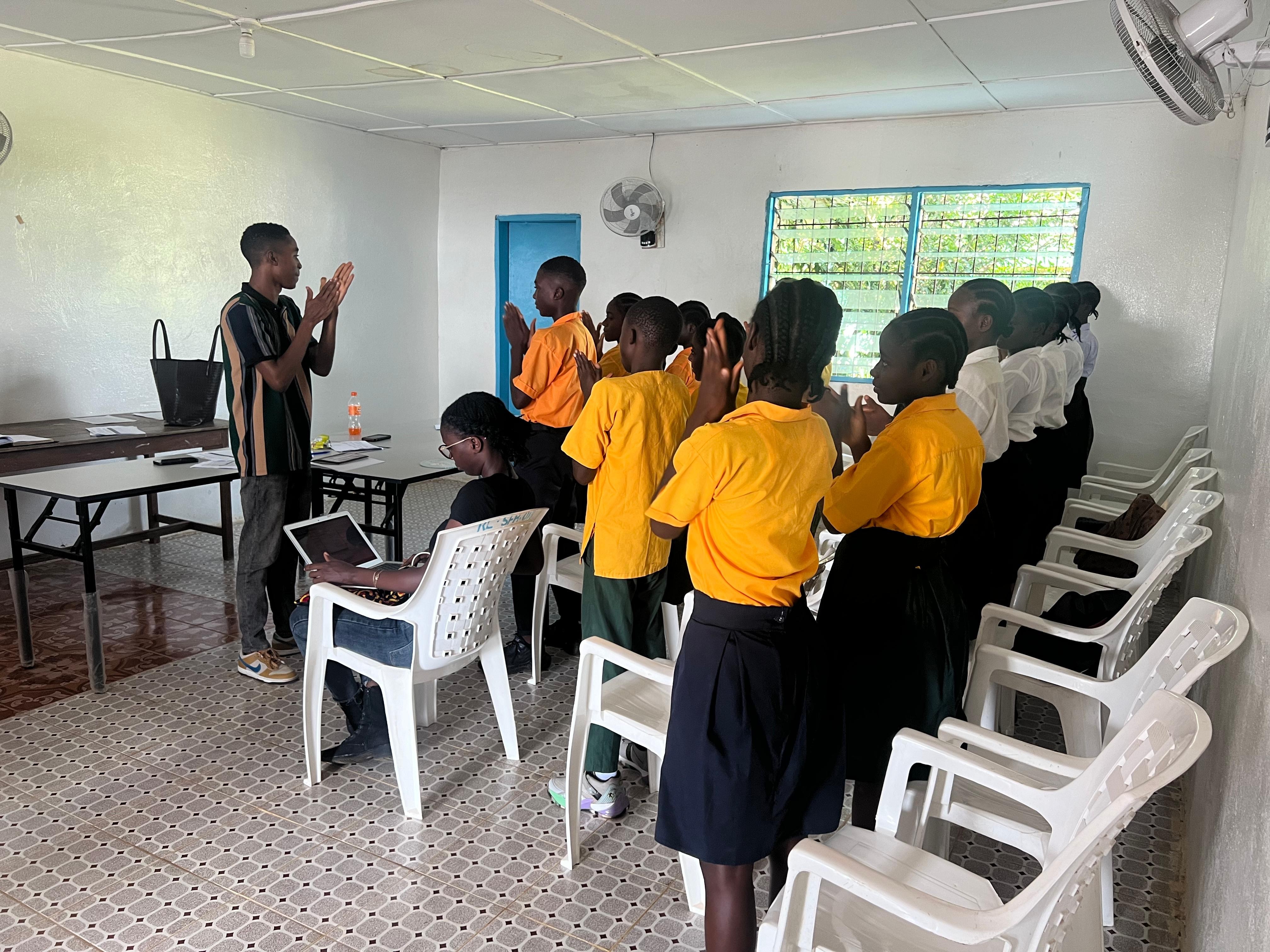
Amplifying Adolescent Voices - Co-Creation in Research
This is an extension of the co-creation process for the situational analysis in Liberia, highlighting the essential role adolescents played in shaping the research.
“I think the co-creation was important because we as adolescents were able to give our own views about the questions and how the interviews could be conducted. Also, because we as adolescents understand our peers and know how to ask certain questions in a way he/she(peers) will understand and feel safe.” Jerome Nea Wlalee, Jr. Liberia Youth Voices -4- ICPD (SitAn Adolescent Researcher)
In research centered on adolescent experiences, ensuring that youth voices are not just heard but actively shape the study is essential. The co-creation phase of the Situational Analysis of Adolescent Girls in Liberia was designed with this principle in mind, allowing adolescents to be meaningful contributors rather than passive subjects. Through collaborative workshops, ethical training, and continuous feedback loops, adolescent researchers played a vital role in refining data collection tools and ensuring the study remained relevant to their lived realities.
The Power of Co-Creation
Too often, research on adolescents is conducted without their direct involvement, resulting in findings that may miss crucial insights. However, with the support of the UNFPA-UNICEF Liberia Joint Pen Programme, four adolescent researchers were selected to actively participate in the co-creation of this study, led by Bantare Impact Group (BIG). Their engagement throughout the research process; from preparation to validation, ensured that the study accurately reflected the experiences and needs of their peers.
Preparation Phase: Laying the Foundation
The journey began with a preparation phase, where the adolescent researchers took part in a four-hour orientation session in Monrovia. This session focused on research goals, safeguarding principles, and meaningful adolescent and youth engagement (MAYE). Recognizing the importance of ethical considerations, they also received adolescent friendly training on field data collection, emphasizing child protection and confidentiality.
Beyond theoretical learning, the researchers actively contributed to the development of data collection tools, including questionnaires and Focus Group Discussion (FGD) guides. By refining the language and framing of questions, they made sure that the tools were accessible and relatable to their peers, making data collection more effective and inclusive.
Field Data Collection Phase: Bridging Research and Reality
During the data collection phase, the adolescent researchers took on a hands-on role in conducting fieldwork. Under the guidance of a lead researcher from BIG, they assisted in facilitating FGDs and interviews with a range of participants,including peers, parents, and community leaders. Their involvement was instrumental in building trust, creating a comfortable space for open dialogue, and ensuring that cultural and contextual nuances were respected.
Safeguarding remained a priority throughout this phase. Adolescent researchers adhered to ethical guidelines, for the protection and well-being of all participants. Their familiarity with local contexts and shared experiences with their peers enhanced the quality of the data collected, providing a depth of understanding that external researchers might have struggled to achieve.
Analysis and Reflection Phase: Integrating Adolescent Perspectives
After fieldwork, the adolescent researchers participated in debriefing sessions to reflect on their experiences and share initial insights. Their firsthand observations helped shape the preliminary analysis, so that emerging themes accurately represented the realities encountered during fieldwork. This participatory approach reinforced the authenticity of the findings and validated the significance of their contributions.
Validation Phase: Ensuring Accuracy and Representation
As the research progresses, the adolescent researchers played a crucial role in the validation phase. They reviewed draft findings, provided feedback, and made sure that the final analysis aligns with the data collected. This step guarantees that their voices remain central to the interpretation and dissemination of the study’s results, reinforcing the credibility and impact of the research.
Why This Matters
By embedding adolescents at every stage of the research process, this study sets a precedent for meaningful youth engagement in research. Their contributions not only strengthen the study’s relevance but also empower young people as active agents of change within their communities. The co-creation model ensures that research is not conducted on adolescents but with them, this fosters a sense of ownership and commitment to driving solutions that address their needs.
Join the Movement
The success of this co-creation approach highlights the need for continued investment in youth-led research. Organizations, policymakers, and researchers should recognize the value of adolescent participation and integrate similar models into future studies. By doing so, we can ensure that research is not only data-driven but also deeply rooted in the lived experiences of those it seeks to understand.
Together, we can amplify adolescent voices and shape research that leads to real, lasting impact.
Similar Articles


Discover stories and become part of the impact they inspire