The Gender Transformative Approach: Between Theory and Implementation Challenges—The Case of Senegal
The gender transformative approach (GTA) constitutes an ambitious response to structural gender inequalities, particularly in societal contexts marked by unequal power dynamics. By aiming to deconstruct gender hierarchies and reconfigure social structures, this approach seeks to act as a lever for reinventing relations between the sexes. However, while the GTA offers a powerful theoretical model, its effectiveness, implementation, and impact remain subject to profound questioning, particularly in societies where traditional norms and cultural resistances predominate.
The GTA is built upon six essential pillars: agency, gender norms, an enabling environment, systems and services, masculinity, and partnerships and movement building. Taken as a whole, these elements aim to generate significant shifts in the social relations between men and women. Nevertheless, despite the theoretical rigor of this framework, numerous questions arise regarding the GTA’s capacity to adapt and remain effective across diverse contexts, particularly in Africa and specifically in Senegal.
Gender norms, in particular, far from being universal, are deeply rooted in local cultural, social, and economic specificities. For instance, challenging the traditional hierarchy of social roles—a core element of the GTA—often faces resistance due to the persistence of deeply entrenched patriarchal models. In this context, simply imposing normative change can prove counterproductive or, worse, trigger active resistance, rendering reforms difficult to implement. Moreover, the lack of firm political will to support gender equality remains a major obstacle, as evidenced by the reluctance of certain African governments to implement concrete egalitarian policies.
Senegal serves as a particularly significant example of the challenges encountered in implementing the GTA. While the country has ratified several international and regional legal instruments promoting women’s rights—such as the 1979 Convention on the Elimination of All Forms of Discrimination Against Women (CEDAW), the 2003 Protocol to the African Charter on Human and Peoples' Rights on the Rights of Women in Africa (Maputo Protocol), the 2004 Solemn Declaration on Gender Equality in Africa, and the 2015 ECOWAS Supplementary Act on Equality of Rights between Women and Men for Sustainable Development—the implementation of these commitments remains incomplete. This is despite initiatives such as the joint UNFPA and UNICEF Horizon 2026 program, which aim to integrate GTA principles into the work of public service agents.
Furthermore, the underrepresentation of women and girls in decision-making spaces remains a major issue. Indeed, women are poorly represented in both appointive and elective positions, as evidenced by the current government where they hold only 4 out of 25 ministerial posts—a mere 16%, compared to 25% in 2019. This regressive trend is particularly concerning when viewed through the lens of public policies intended to promote a genuine transformation of gender relations, specifically via the Gender Transformative Approach (GTA). If this transformative approach fails to shift dominant power dynamics, it becomes difficult to envision a substantive break from the patriarchal norms that continue to permeate Senegalese politics.
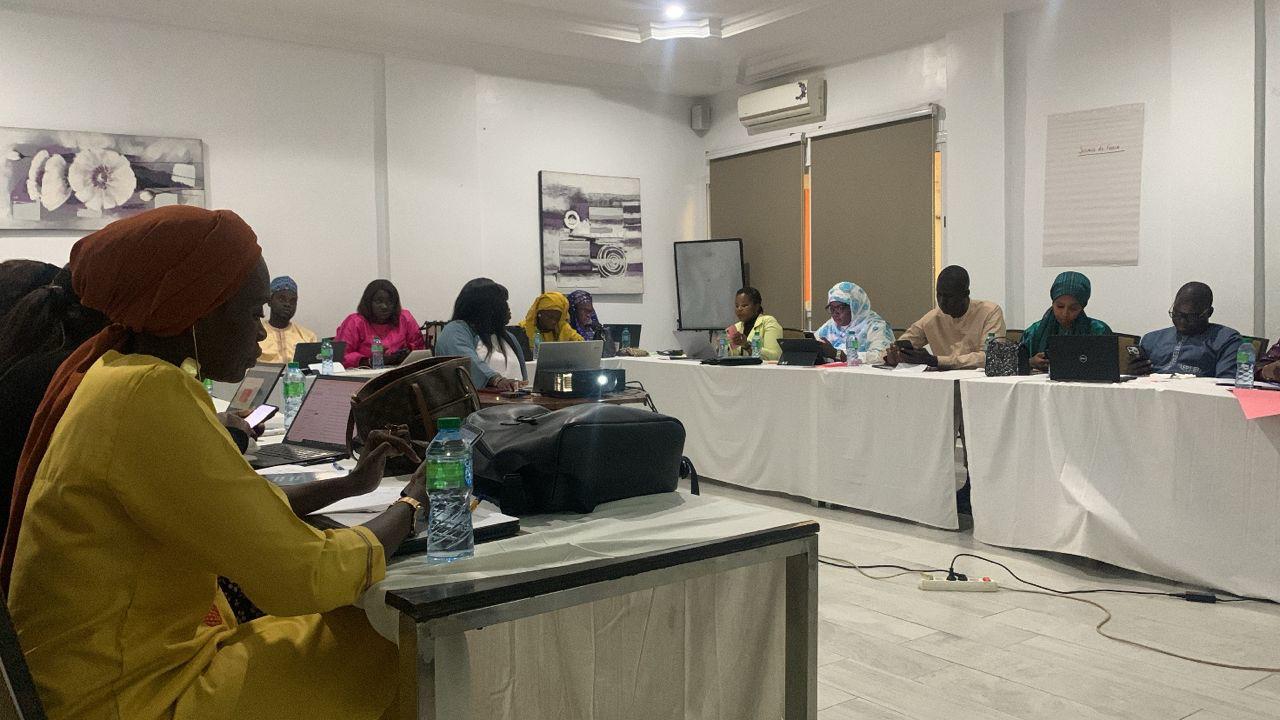
While the GTA offers a comprehensive and systemic approach to transforming gender relations, it faces complex structural obstacles. To become truly transformative, this approach requires a revision of power structures at all levels, firm political commitment, and a collective effort that transcends mere institutional reforms. In particular, it is imperative to implement concrete and immediate measures to counter social and cultural resistance, such as developing targeted support programs, implementing community awareness initiatives, and scaling up Training of Trainers (ToT) programs on the GTA—much like the one recently co-organized by the joint UNICEF-UNFPA program with the support of the Ministry of Family and Solidarity. Furthermore, mobilizing local communities, fostering inclusive dialogue with relevant organizations, and shifting mindsets remain major challenges. Traditional values and normative gender roles continue to govern daily life in many regions; these cultural resistances, often invisible, constitute a barrier to the effectiveness of gender policies. Simply imposing top-down reforms, without truly participatory and inclusive dialogue, risks reproducing these inequalities by deepening the divides between institutional actors and the affected populations. Therefore, adopting a bottom-up approach is essential for achieving holistic solutions regarding the implementation of the GTA in Senegal.
The necessary cultural shifts are long and complex, and policy must go hand-in-hand with mobilization at all levels of society to ensure that gender equality is not merely a discursive goal, but a lived daily reality—within sectoral ministries and everywhere else!
Similar Articles


Discover stories and become part of the impact they inspire