Education & Child Marriage Regional Strategy — West & Central Africa
Advocacy
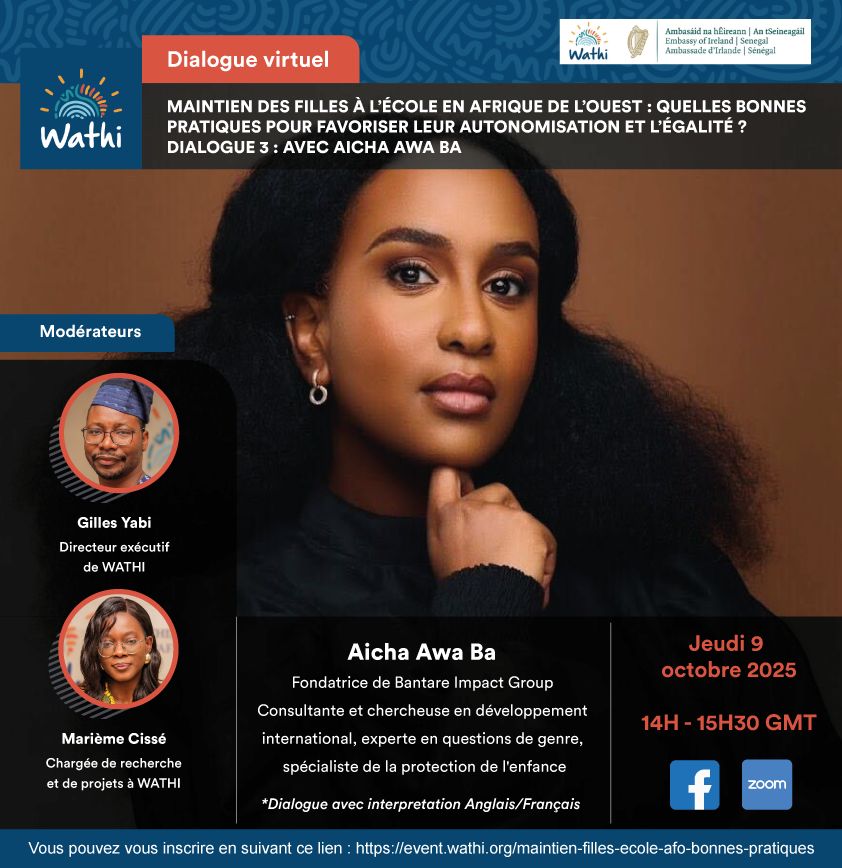
March 2025 - December 2025
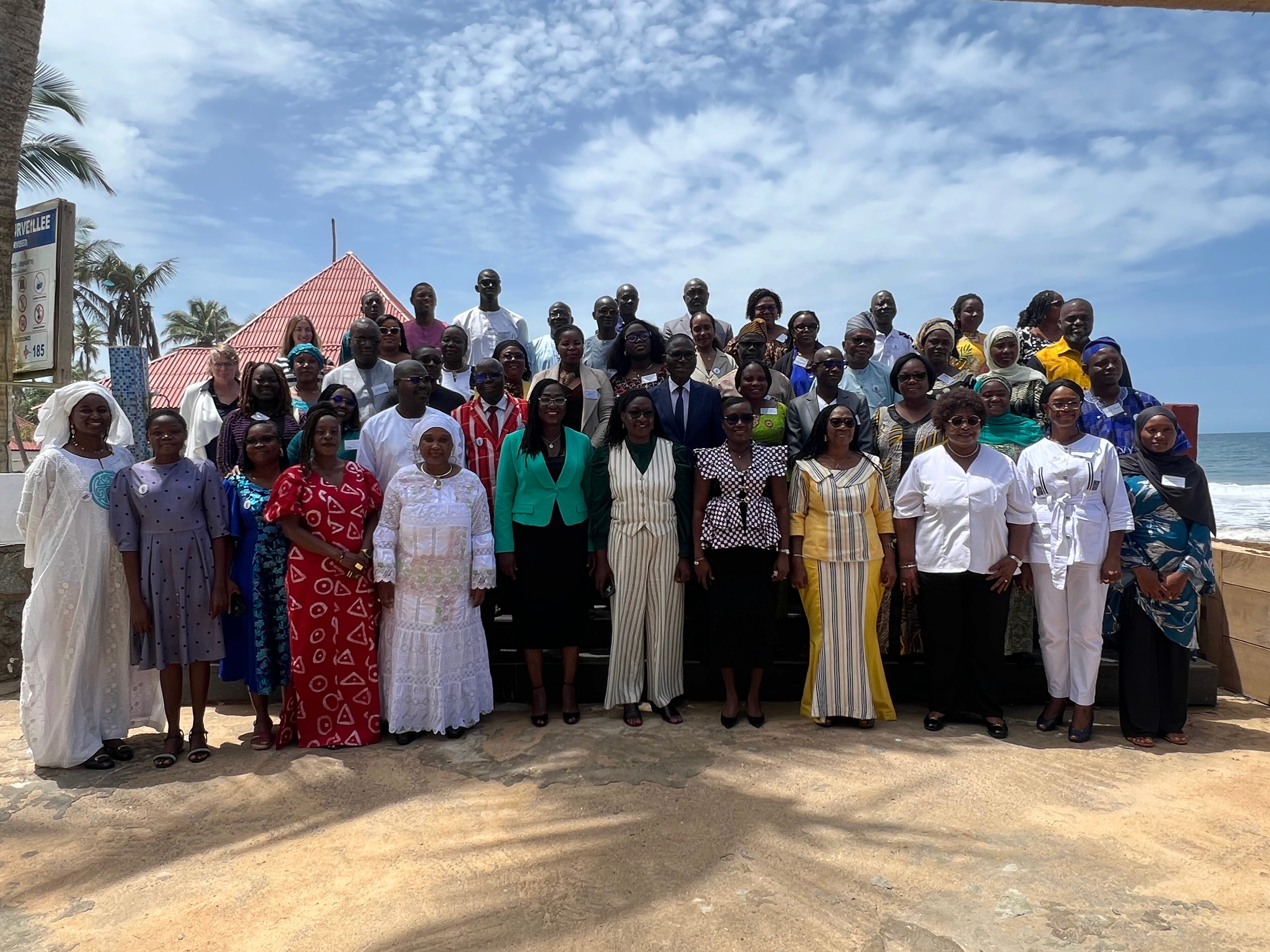
Transformative regional roadmap to make education the central lever for the protection of girls against early marriage.
Research
October 2024
Research on child marriage has often been done on adolescents rather than with them. Despite being the primary stakeholders, youth have been consistently positioned as subjects of studies through adult-centric approaches that filter their voices before they reach policymakers and funders who shape the policies that affect their lives and circumstances. Without a methodology that incorporates youth and adolescents' perspectives, evidence on child marriage risks remaining disconnected from the realities it seeks to address, and the policies it informs risk missing the mark.
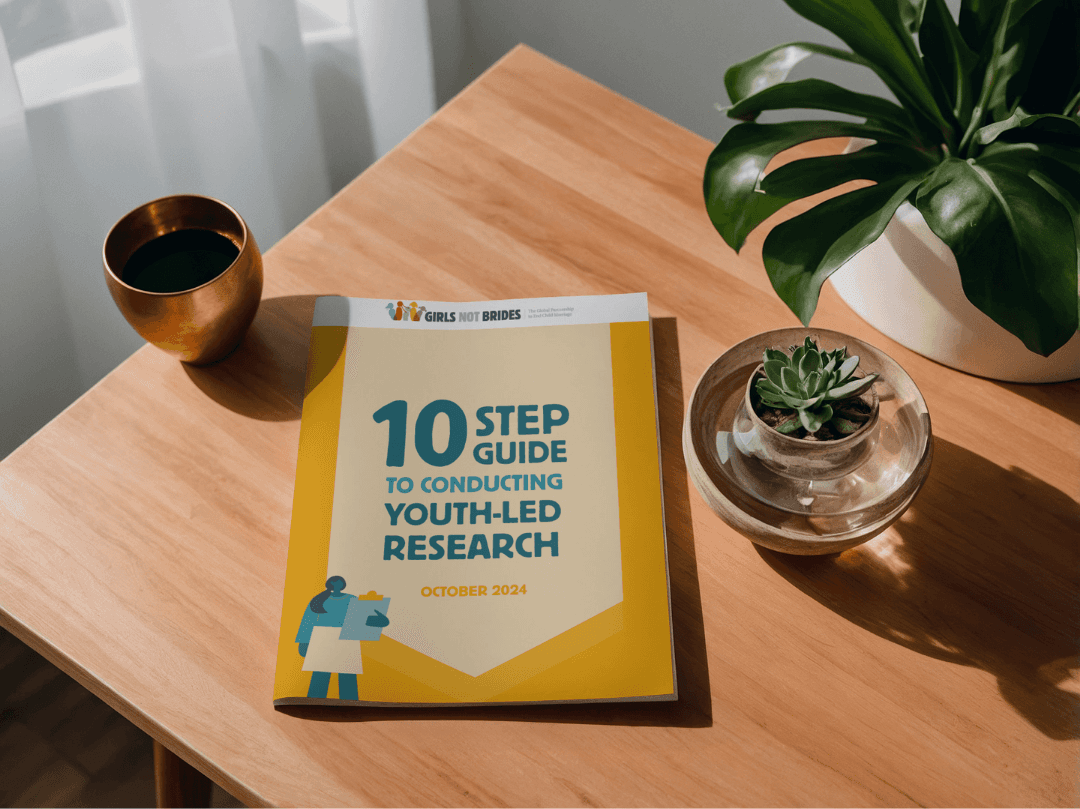
Mandated by Girls Not Brides, Bantare developed a 10-step guide to youth-led research designed to transform how international organisations collect and use evidence on child marriage.
The methodology is built around four core commitments:
Rigorous ethical and safeguarding protocols which ensure the protection of youth researchers and participants working in sensitive contexts.
The use of innovative participatory methods including Photovoice, Digital Storytelling and Community Mapping to capture lived realities.
Training youth to interpret data, identify bottlenecks and structural factors that perpetuate child marriage.
Strategies for presenting research results to policymakers and funders, ensuring that youth voices are incorporated accurately.
The guide is designed to strengthen the legitimacy of youth researchers as knowledge intermediaries within their communities, enabling evidence-based advocacy that can influence budgetary, legislative, and policy reforms by promoting research focused specifically on girls’ education and gender equality and fostering intergenerational collaboration and contributions that enrich the insights produced at national and regional levels.
The guide makes a clear argument that community transformation begins with who gets to produce the knowledge. By centralising youth leadership in the research process, it ensures that evidence on child marriage is deeply rooted in the realities of those it seeks to support.
Discover stories and become part of the impact they inspire