Education & Child Marriage Regional Strategy — West & Central Africa
Advocacy
March 2025 - December 2025
Transformative regional roadmap to make education the central lever for the protection of girls against early marriage.
Impact
October 2025

Across West Africa, the conversation on girls’ education has too often stopped at access. While primary school enrolment reaches 70%, only 36% of girls complete secondary school, revealing a critical and under-addressed divide between getting girls into school and keeping them there. This gap is not incidental as it is produced by compounding and intersectional barriers that existing education policies have not been designed to address in full. Early marriage, household poverty, the disproportionate burden of domestic work, the absence of menstrual hygiene infrastructure, low representation of female teachers, gender stereotypes embedded in curricula, and the mounting pressures of armed conflict, food insecurity, and climate shocks all converge to push girls out of education before they can complete it. Without a systemic response that addresses these barriers simultaneously, retention will remain out of reach for millions of girls across the region.
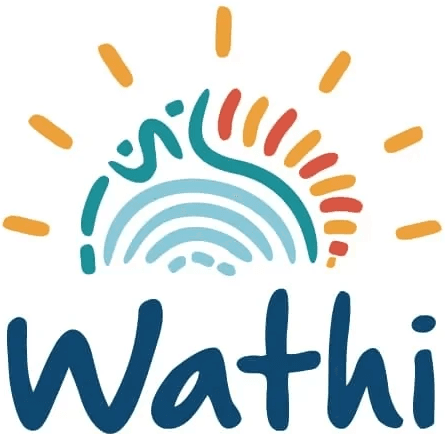
As part of the International Day of the Girl Child, Bantare Impact Group (BIG) participated in a high-level virtual dialogue with WATHI and the Embassy of Ireland in Senegal, led by our Executive Director, Aïcha Awa Ba. The intervention reframed the terms of the education debate in West Africa, shifting the focus from primary enrolment to the safe retention and success of girls in the secondary cycle.
The analysis highlights a critical divide between access to and completion of education: while access to primary education reaches 70%, only 36% of girls manage to complete secondary school. The evidence identifies four multidimensional bottlenecks:
Early marriage remains the main obstacle, as in Niger where secondary education has pushed back the median age of marriage from 15.6 to 21.1 years old.
Household poverty and the disproportionate burden of housework weigh heavily on girls' retention in school.
The lack of menstrual hygiene infrastructure, the low representation of female teachers (17% in secondary school) and gender stereotypes in textbooks limit academic development.
Armed conflict, food insecurity and climate shocks exacerbate the risks of school dropout across the region
BIG's approach to reforming the sector is based on four strategic pillars:
A coordinated intervention based on the Socio-Ecological Model that touches the individual (the girl), interpersonal (parents), community (religious and customary leaders) and institutional (laws and policies) levels.
A refusal to consider girls only as passive beneficiaries, but a need to integrate them as leaders and co-creators of the solutions that concern them.
Integration of other basic social services, such as sexual and reproductive health, child protection and menstrual hygiene management into the education system.
Evidence-based advocacy for African states to be financially self-sufficient in financing their basic social services, such as the education budget in Senegal.
The dialogue made it clear that retaining girls in secondary school is not an education problem alone but rather a governance problem, a fiscal problem, and a social norms problem that requires a coordinated response across all three. Evidence from Niger demonstrates that secondary education is itself one of the most powerful tools available for delaying marriage and expanding girls’ life choices, making the case for investment in retention not only on rights grounds but on the basis of concrete, measurable change.
For Bantare Impact Group, keeping girls in school requires three priority actions from decision-makers:
The institutionalization of accountability with transparent budgets.
The deployment of gendered communal plans.
The shift from a logic of simple schooling to a logic of secure academic success.
Schools must once again become a real space for social mobility and critical reflection in order to sustainably transform West African societies.
Discover stories and become part of the impact they inspire