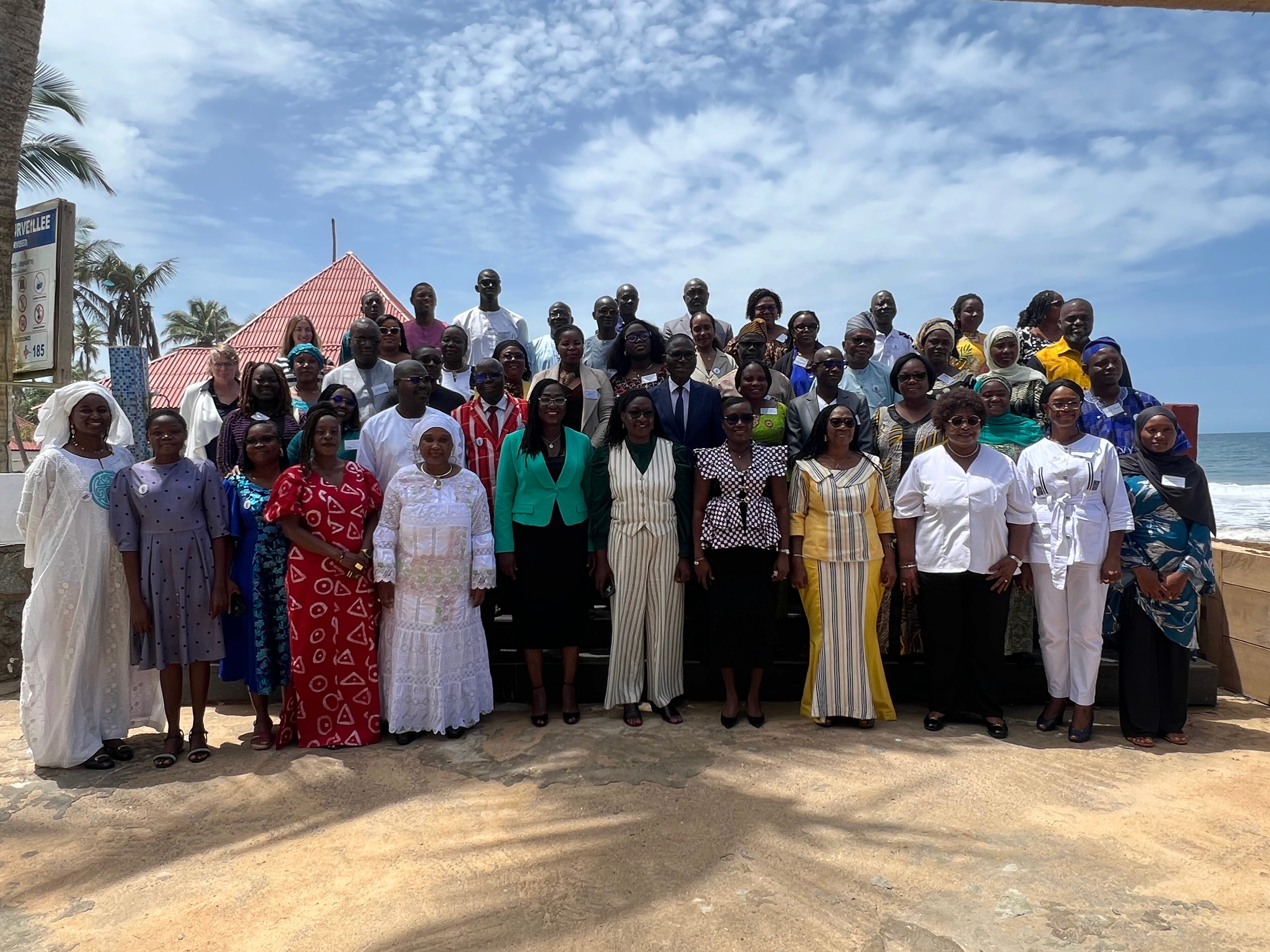
Education & Child Marriage Regional Strategy — West & Central Africa
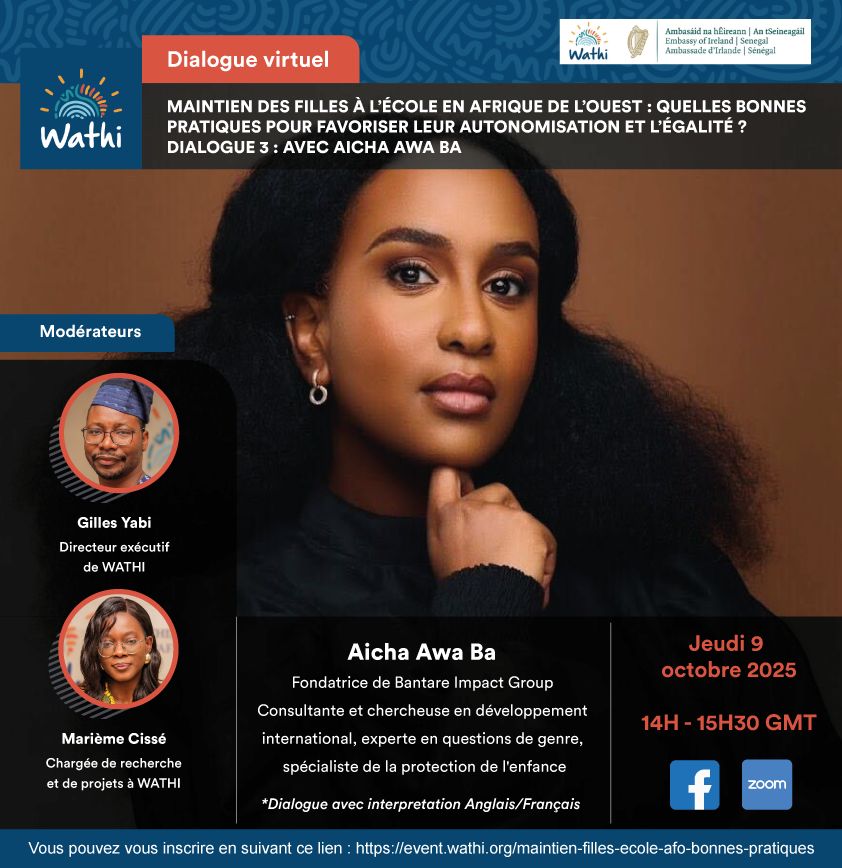
Advocacy
March 2025 - December 2025
Transformative regional roadmap to make education the central lever for the protection of girls against early marriage.

Research
November 2024 - November 2025

Despite the existence of national policies such as the National Adolescent Empowerment Strategy (2017 - 2022), adolescent girls in Liberia continue to face compounding and interconnected systemic vulnerabilities across health, education and protection sectors. Decisions about programming and policy affecting girls were being made without a comprehensive, updated national evidence base that reflected their lived realities. Without this, targeted and meaningful systemic changes could not be designed, sustained or held accountable.
Commissioned by the UNFPA-UNICEF joint programme, Bantare designed and delivered Liberia’s first comprehensive national situation analysis of adolescent girls aged 10–19. The research was grounded in the Gender Transformative Approaches and used mixed methods to analyse five thematic areas: gender-based violence, sexual and reproductive health rights (SRHR), food security and nutrition, education, and climate change and resilience. The research was designed, in collaboration with adolescent researchers, with the aim of identifying the root causes of disenfranchisement and exclusion, but also to bring about meaningful and sustainable systemic change through targeted policy measures and programmes.
The methodology drew on four complementary strands:
A synthesis of existing insights for the period 2020-2025, a mapping of evidence gaps, and an identification of persistent challenges in the five thematic areas.
Key Informant Interviews and focus group discussions with guardians, community leaders, and service providers across Rivercess, Montserrado, and Grand Gedeh counties
An analysis and synthesis of national data from the 2019-2020 Demographic and Health Survey (DHS), the 2022 census, and evidence produced by the WHO-UNICEF joint monitoring programme for water, sanitation and hygiene
Co-creation with the participation of adolescents as active co-researchers in the collection process, analysis of bottlenecks and cause-and-effect analysis to translate the data into concrete recommendations.
The SitAn confirmed that adolescent girls’ disenfranchisement in Liberia is not the result of isolated failures but of systemic barriers rooted in persistent social norms and structural fiscal constraints. The findings make a clear case for a multisectoral response. This process culminated in the development of a five-point roadmap to strengthen adolescent-focused programmes in Liberia on school retention, integrated health services, protection mechanisms, livelihoods, and systems institutionalization.
The roadmap identified six priority areas for action:
Strengthening of legal frameworks, rigorous monitoring of cases of gender-based violence and the establishment of community accountability systems.
Access to youth-friendly sexual and reproductive health services, as well as comprehensive sexuality education.
Inclusive education promoting school retention policies and securing pathways to school reintegration for adolescent mothers.
Nutrition and well-being from gender-sensitive food and school policies to combat anemia and malnutrition.
Infrastructure and hygiene through the deployment of girl-friendly WASH facilities, including separate latrines and access to menstrual hygiene products in schools.
Climate-resilient infrastructure and training in ecology to reduce the impact of environmental shocks on their future.
Discover stories and become part of the impact they inspire