Education & Child Marriage Regional Strategy — West & Central Africa
Advocacy
March 2025 - December 2025
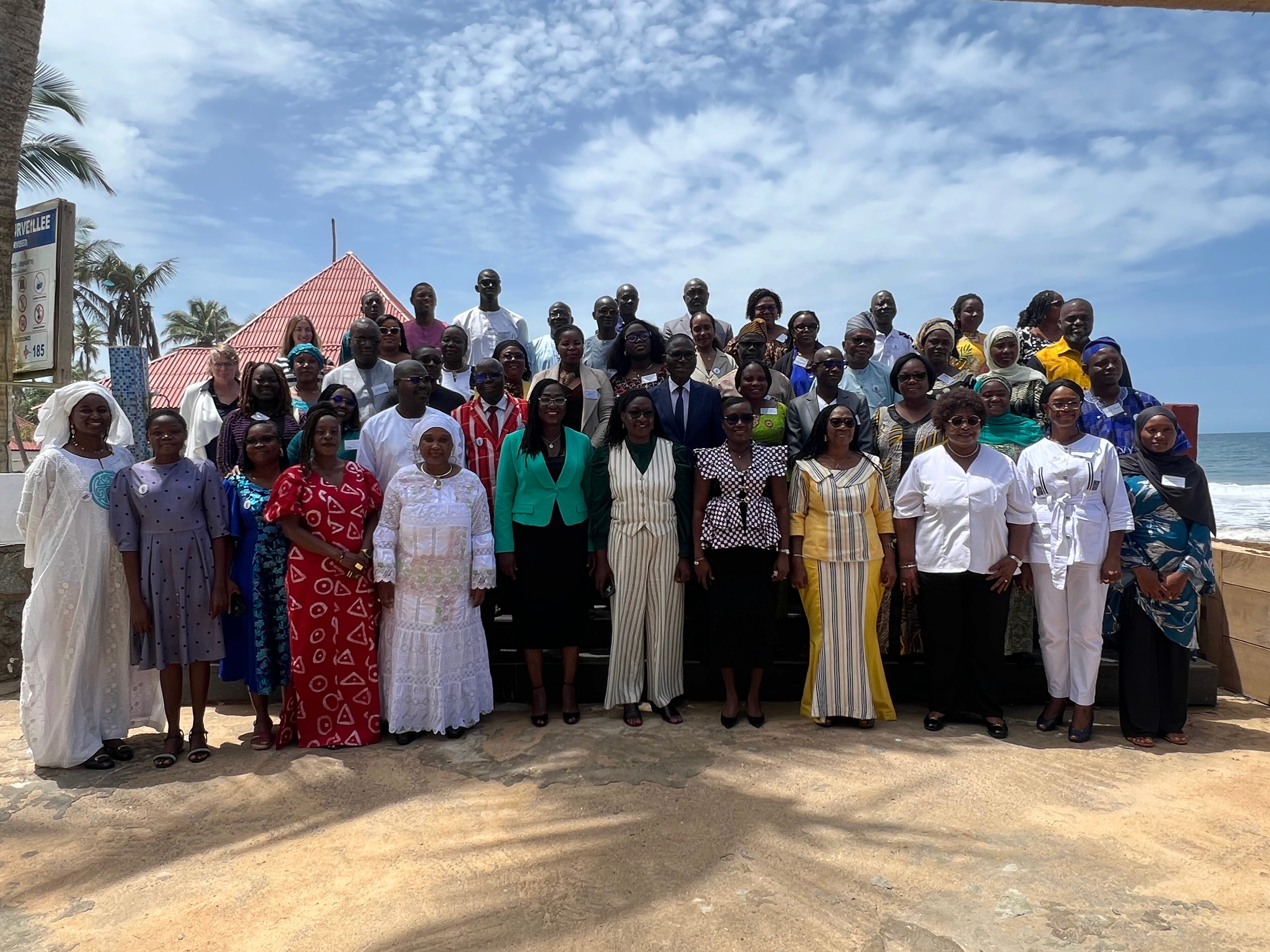
Transformative regional roadmap to make education the central lever for the protection of girls against early marriage.
Advocacy
January 2025 - October 2025
Across West and Central Africa, adolescent girls continue to face compounding barriers to their rights, safety, and leadership from gender-based violence and early marriage to exclusion from education, health services, and digital spaces. While international frameworks such as the Beijing Declaration and Platform for action provide a foundation, their strategic objectives have not been updated to reflect and incorporate the realities girls face in the region. Regional action continues to remain fragmented, with governments, civil society organizations, and communities working without a shared, evidence-based framework to coordinate their efforts.
Under the mandate of UNICEF’s Regional Office for West and Central Africa, Bantare co-created a Regional Agenda for Girls through a coordinated, evidence-based framework for promoting the rights and well-being of adolescent girls across the region. Grounded in the Beijing Declaration and Platform for Action, the Agenda updates the nine strategic objectives of the Girls’ Chapter, integrating emerging priorities across gender equality, protection, education, health, leadership, digital inclusion, and environmental justice.
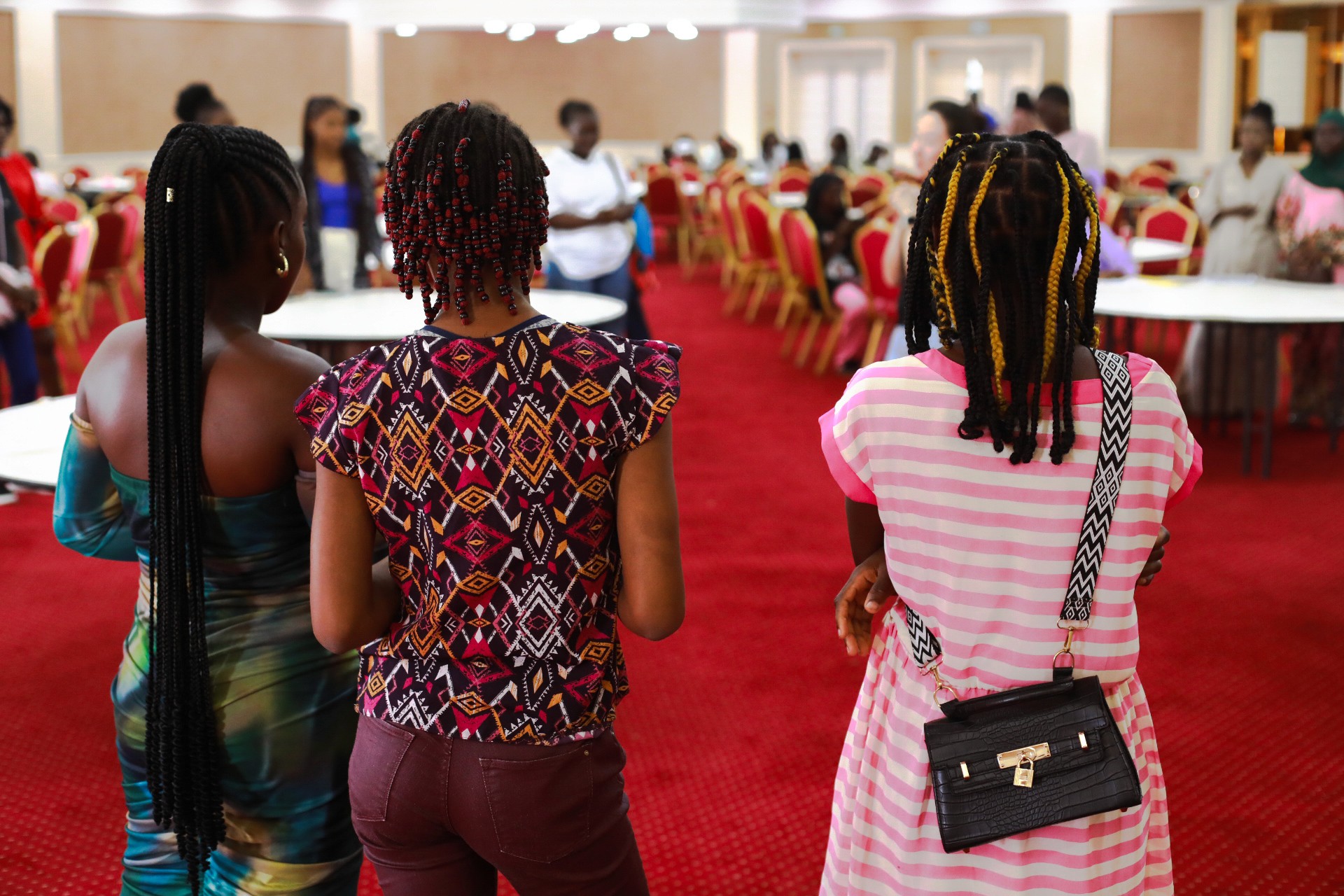
The development process was participatory and drew on an analysis of Beijing +30 national reports, mapping progress, persistent gaps, and emerging priorities across the region. This was complemented by a synthesis of available literature and programme evaluation reports focused on adolescent girls over the period of 2020-2025. National consultations engaged 6,110 stakeholders, including 4,155 adolescent girls, through participatory workshops and U-Report online surveys. Central to the process was the establishment of a regional girls’ council, bringing together adolescent girls from across West and Central Africa who co-led the development of the agenda content, ensuring that the framework was shaped by the girls it was designed to serve.
The process resulted in a Regional Girls’ Summit held in Dakar in October 2025, on International Day of the Girl Child, to consolidate priorities, operationalize national roadmaps, and formalize intergovernmental commitments.
6.110 stakeholders engaged across national consultations, including 4,155 adolescent girls
Regional girls’ council established, with adolescent girls from across West and Central Africa co-leading the process
A Regional Girls’ Summit was held in Dakar in October 2025 on during the International Day of the Girls Child
Advocacy frameworks were developed, urging governments to align laws with international child rights standards and implement anti-discrimination policies
Girls’ priorities directly shaped regional commitments including menstrual hygiene infrastructure to access to STEM education and online protection
Commitments secured on adolescent-friendly health services, confidential sexual and reproductive health care, and integration of mental health in school and community settings
Vocational training, financial education, and entrepreneurship for girls integrated as strategies to address vulnerability to exploitation and forced marriage
Engagement of men, boys, family and communities embedded in the framework as a strategy for challenging harmful gender norms.
The Regional Agenda demonstrates that coordinated, girls-led regional frameworks are both possible and necessary. When girls are given co-leadership of a process, the priorities that emerge are more specific, grounded, and more likely to drive accountability and be relevant. The establishment of the regional girls’ council is itself a model work replication as it is a structure that gives girls ongoing institutional voice.
The Agenda is designed as an operational roadmap with the longer-term ambition to catalyse collective action by governments, communities, civil society, and regional organisations and as a result, creating an environment where every girl in the region has the power, resources, and security to exercise her leadership and as a result shape her own future.
Discover stories and become part of the impact they inspire