Education & Child Marriage Regional Strategy — West & Central Africa
Advocacy
March 2025 - December 2025
Transformative regional roadmap to make education the central lever for the protection of girls against early marriage.
Impact
September 2025


Africa loses an estimated USD 88.6 billion annually through illicit financial flows—resources that could be financing health, education, and social protection for the communities that need them most. At the same time, indirect tax systems disproportionately burden women. Moreover, gender ministries consistently receive less than 1% of national budgets, and external debt obligations constrain governments’ ability to fund basic social services. These are not isolated fiscal failures but rather they are the structural mechanisms through which global economic inequality is reproduced, and through which the rights of women and girls are systematically underfunded. Without an organised African feminist perspective in international tax reforms and debt policy debates, these dynamics will continue to be shaped by institutions and interests that do not reflect the priorities of the continent.
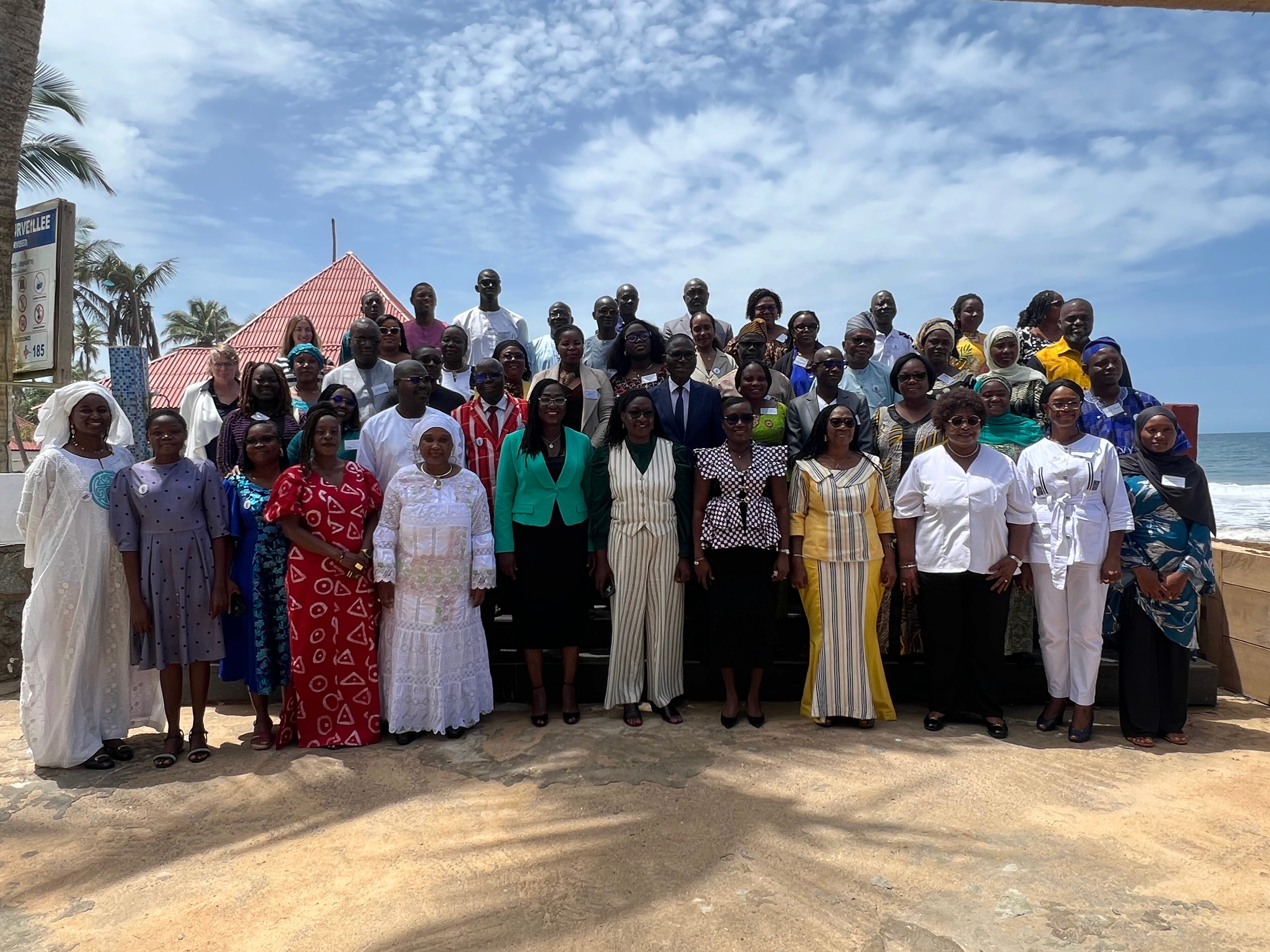
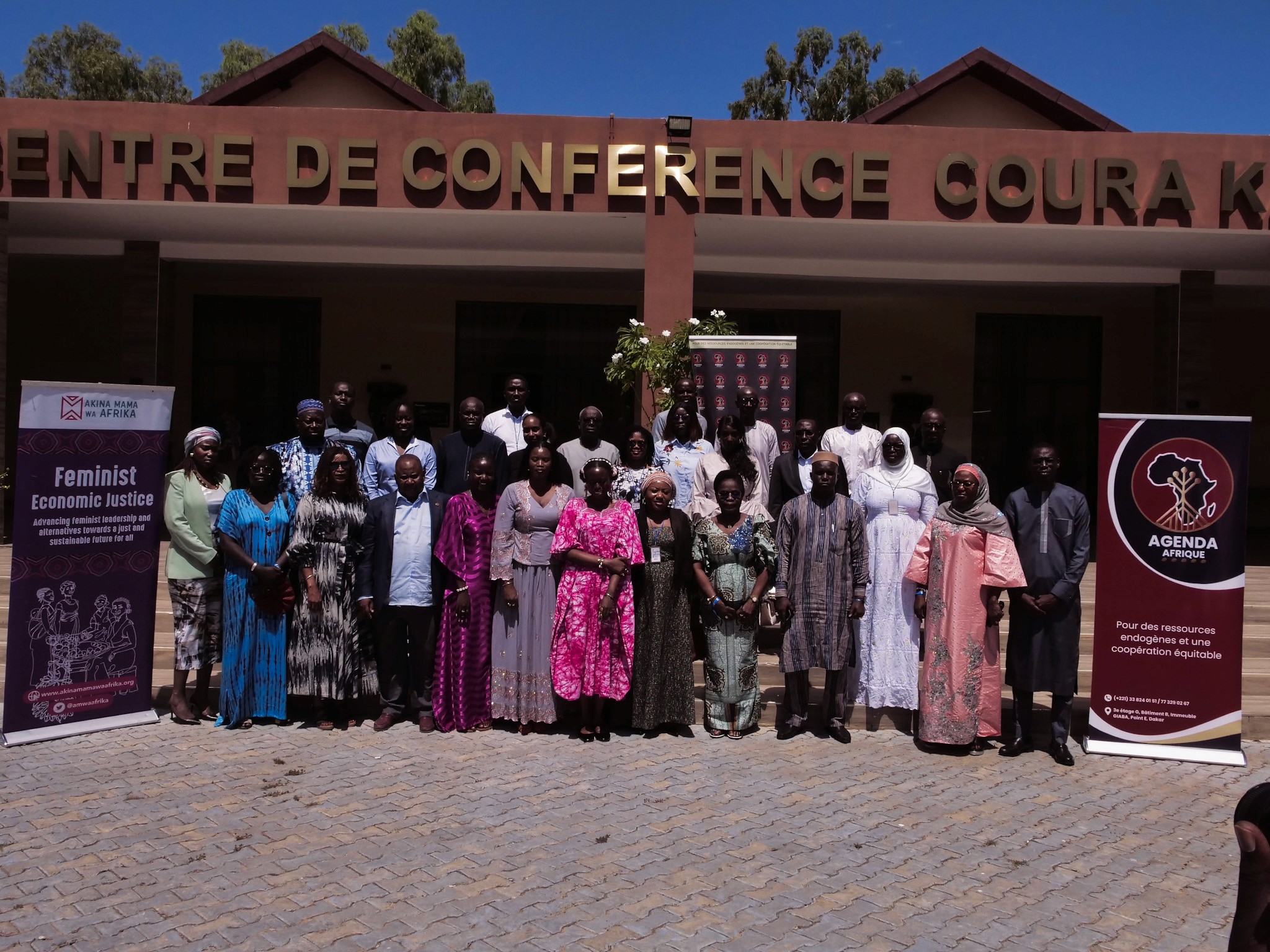
In collaboration with Agenda Afrique and Akina Mama wa Afrika, Bantare Impact Group is contributing to the establishment of the Regional Reference Group (RRG) for West and Central Africa, a high-level advocacy initiative designed to integrate an African feminist perspective into international tax reforms and debt policies.
The RRG deploys a critical analytical framework to reform financing systems structured around a core diagnostic question applied to every tax policy under examination: who pays, who benefits, and who decides. This framework drives four interconnected lines of work:
A systematic analysis of indirect taxes that disproportionately burden women, paired with advocacy for a United Nations Tax Convention that reflects African and feminist priorities.
A demand for transparency on the use of public funds, with a specific focus on ensuring that gender ministries are no longer treated as peripheral to national budgets
An analysis of the impact of external debt on states’ capacity to finance basic social services across health, protection, and education.
The development of clear, accessible narratives about the invisible impacts of austerity and the promotion of feminist economic alternatives, building the capacity of African civil society organisations and media to challenge neoliberal ideologies and the influence of the Bretton Woods institutions.
The RRG positions the United Nations Tax Convention as a historic opportunity to rewrite global influence and rules through an African and feminist lens, and works to amplify the voices of the Global South in international forums through strategic alliances at COPs and anti-debt campaigns.
The work of the GRR aims to transform tax governance to generate transformative resources:
Fair tax systems of the kind the GRR advocates for could generate an additional USD 146 billion per year, 20% of which would be sufficient to send 25 million children to school. The GRR argues that the integration of children’s and women’s rights into taxation is not a technical supplement to fiscal policy, but the essential basis for equitable governance on the continent. Fiscal systems are not gender neutral but rather political choices about who bears burdens and who receives resources, and those choices have direct consequences for whether girls go to school, whether women have access to health services, and whether communities can withstand economic shocks.
The work of the RRG aims to build African feminist leadership in international tax and debt debates required to sustain presence in global forums, the development of credible counter-narratives to dominant economic ideologies, and the cultivation of strategic alliances across the Global South. The United Nations Tax Convention represents the most immediate policy window, and the GRR is positioned to ensure that African and feminist perspectives are not absent from the moment when global tax rules are being rewritten.
Discover stories and become part of the impact they inspire