Education & Child Marriage Regional Strategy — West & Central Africa
Advocacy
March 2025 - December 2025
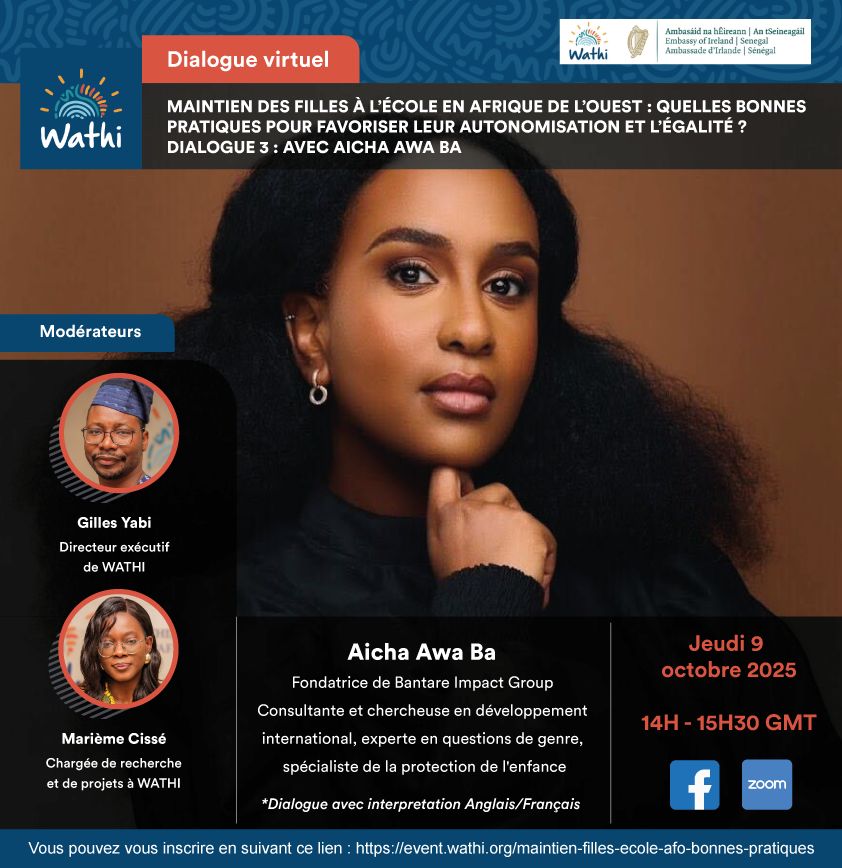
Transformative regional roadmap to make education the central lever for the protection of girls against early marriage.
Capacity Building
January 2025

In Senegal, gender-based violence and female genital mutilation (FGM) persist not because of an absence of awareness, but because the institutions and frontline actors best positioned to drive change in health, education, justice, and civil society but have lacked the tools, frameworks, and certification to integrate gender-transformative approaches into their professional practice at scale. Without a national network of trained experts capable of replicating this approach across sectors and communities, interventions risk remaining isolated and short-lived, unable to generate the systemic and structural change that ending FGM and gender-based violence requires.
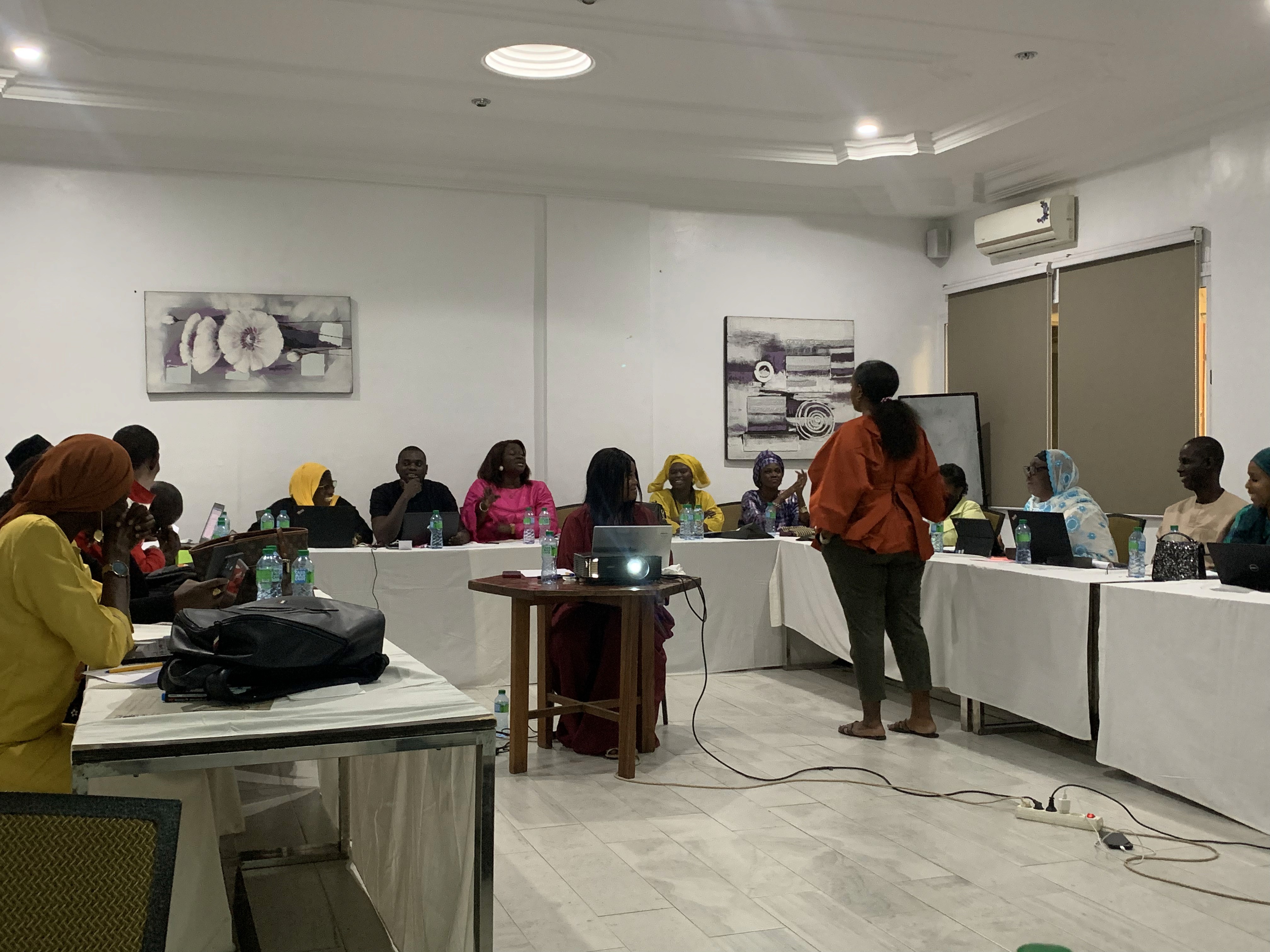
Mandated by the UNICEF-UNFPA Senegal Joint Programme, and under the aegis of the Ministry of Family, Social Action and Solidarity of the Republic of Senegal, Bantare Impact Group facilitated a 10-day intensive Training of Trainers on the Gender-Transformative Approach. This training brought together 25 frontline actors from civil society organisations, officials from the Ministries of Education, Health, Justice, and Family, as well as representatives of local organizations/agencies with the explicit aim of certifying a national network of experts capable of multiplying this training across Senegal.
The programme was fully participatory, combining theoretical foundations, experiential learning, role-playing and individual action planning based on:
A screening assessment that assessed the participants’ baseline knowledge of GTA and FGM.
A session on the six fundamental elements of GTA (days 1 to 4) the girls' decision-making empowerment, including physical empowerment; positive masculinities and the engagement of men and boys; community mobilisation; the mapping of power and systems; partnerships and movement building; gender norms and equality.
A presentation by UNFPA of recent evidence on the prevalence and persistence of FGM in Senegal, including its spread in urban areas (Niary Tally, Dakar), and cross-border challenges with The Gambia.
Facilitation of simulation sessions where each participant developed and presented an individual action plan, evaluated using updated performance tools.
The training built on a pilot GTA programme delivered in 2023, deepening participants’ mastery and expanding the national network of certified practitioners.
25 frontline actors certified as GTA trainers across health, justice, education, family, and civil society actors
100% of participants correctly defined the purpose of GTA and the role played by men and boys
62.5% of participants initially believed that GTA was about adjusting policies without challenging power relations, highlighting the scale of the conceptual shift the training achieved.
91.7% of participants expressed willingness to deliver the training to others in their communities and institutions.
Multiple certified trainers are already actively delivering training across Senegal, creating a multiplier effect across health systems, schools, judicial services, and civil society programmes.
Two participants received national honours from the President of the Republic of Senegal, in recognition of their outstanding contribution to gender equality.
For the 2026 joint programme, certified trainers are prioritising the engagement of men (71%), the autonomy of girls (57%), and community mobilisation (62%)
The training demonstrated that transforming power structures requires more than awareness-raising as it requires building a national infrastructure of certified practitioners who can embed gender-transformative approaches into the institutions and communities where they work. Certified trainers are actively delivering sessions across sectors and regions, and the 2026 joining programme is being designed around the priorities that emerged from this cohort. The longer-term ambition is to establish this national pool of experts as the foundation of a coordinated, systemic response to gender-based violence and FGM in Senegal that spans the existing sectors and is capable of sustaining itself beyond any single programme cycle.
Discover stories and become part of the impact they inspire